The Barbour Westmorland Waistcoat: Why This Classic Layering Piece Still Works So Well
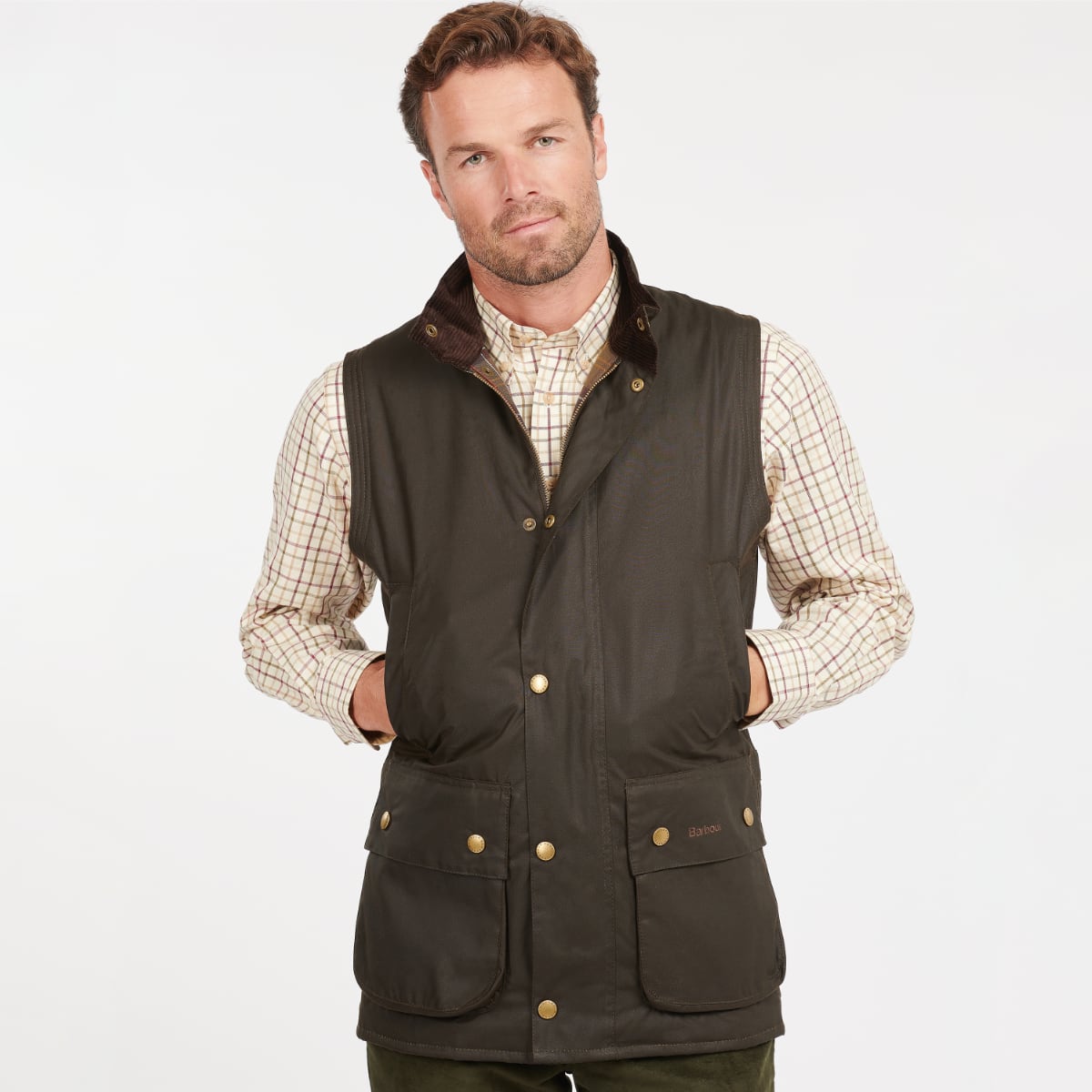
Some garments survive because they are fashionable. Others survive because the basic idea behind them continues to make sense. The Barbour Westmorland Waxed Gilet belongs firmly in the second group.
Part waistcoat, part outer layer and unmistakably Barbour, the Westmorland gives you many of the practical qualities associated with a traditional waxed jacket while leaving your arms completely unrestricted. Wear it over a shirt in milder weather, add knitwear as temperatures fall, or use it when a full waxed jacket simply feels like more garment than you need.
Why does the Barbour Westmorland still work so well?
The Westmorland succeeds because it is simple and adaptable. Its waxed-cotton outer provides useful protection from wind and everyday showers, light wadding adds some warmth around the body, and the sleeveless cut makes it easy to combine with different layers underneath.
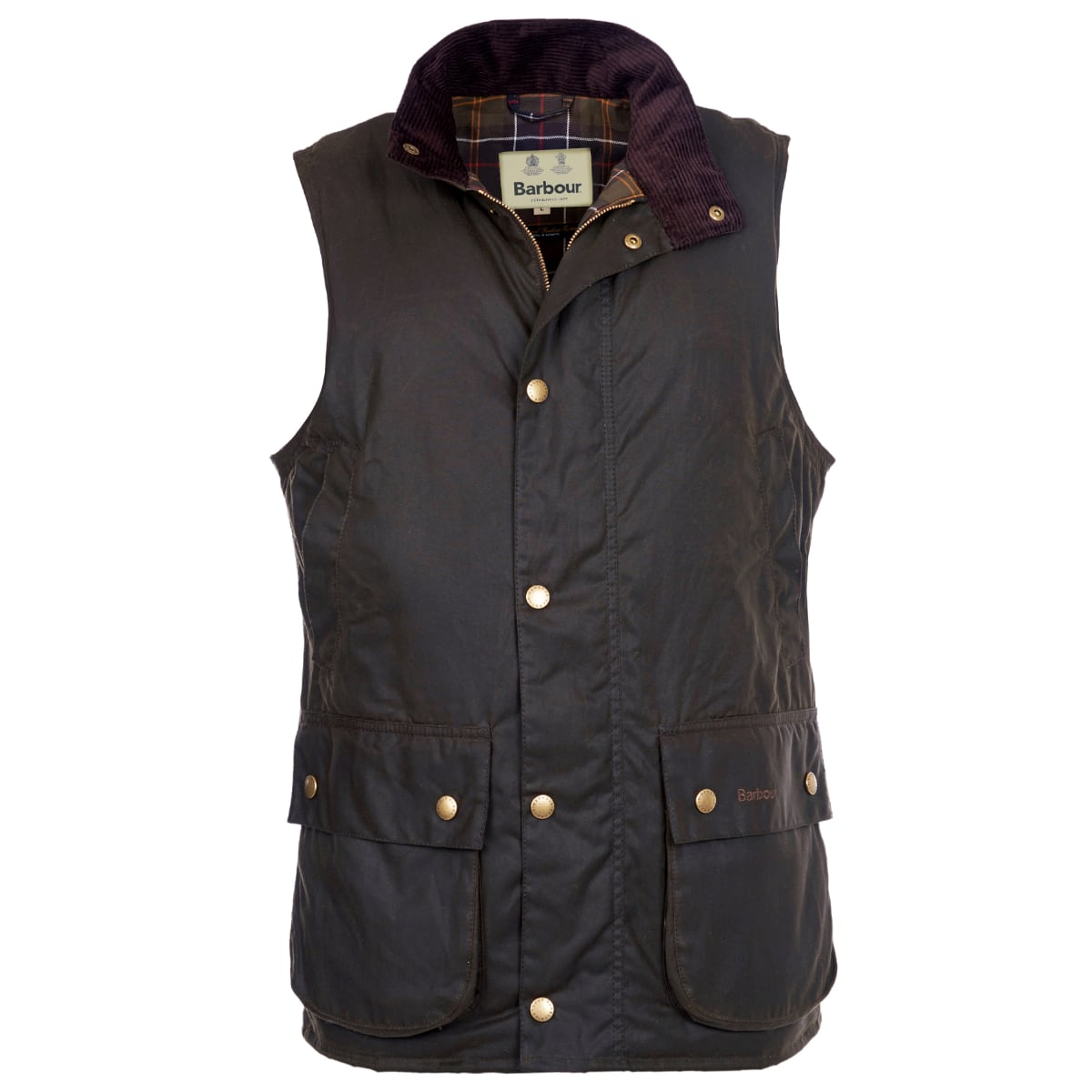
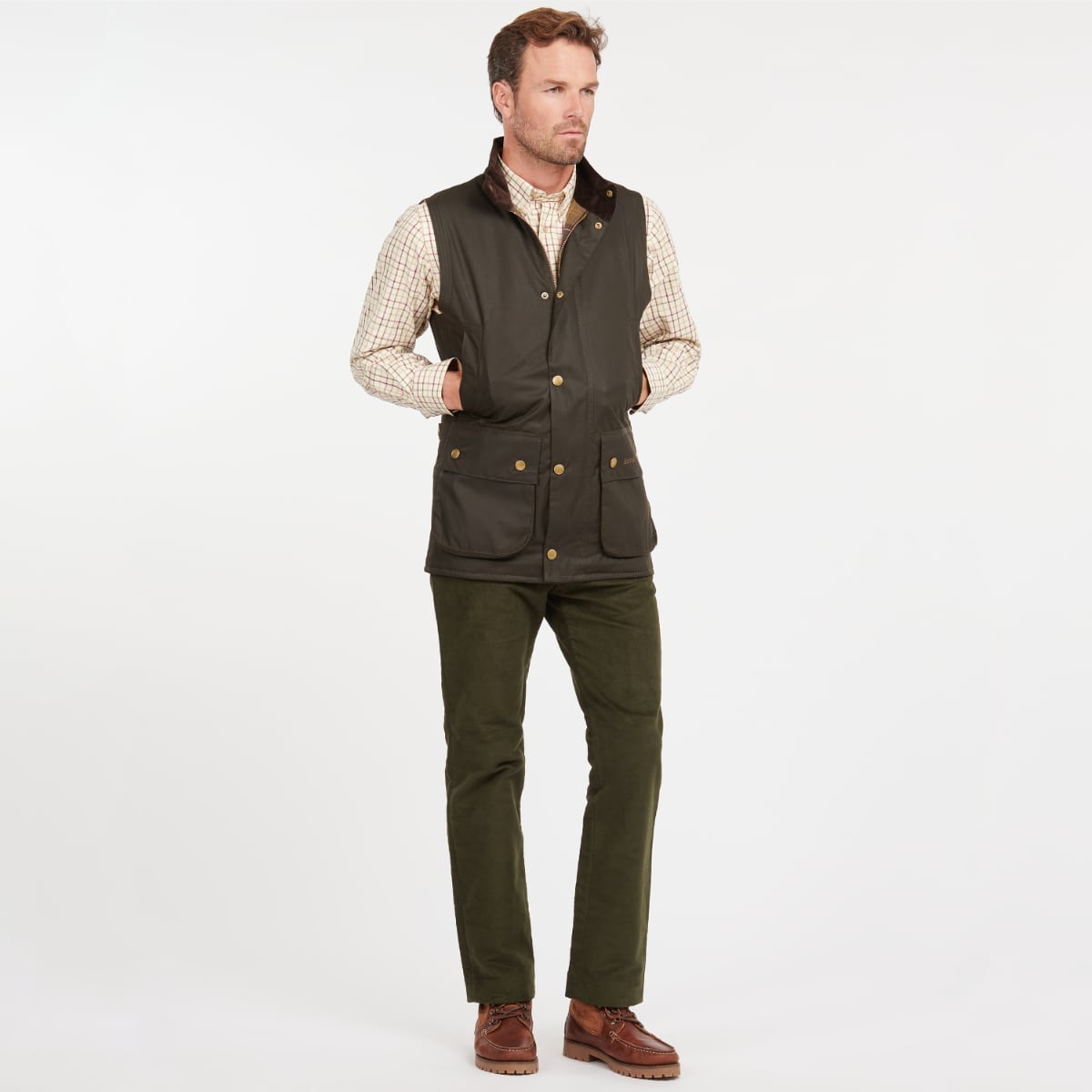
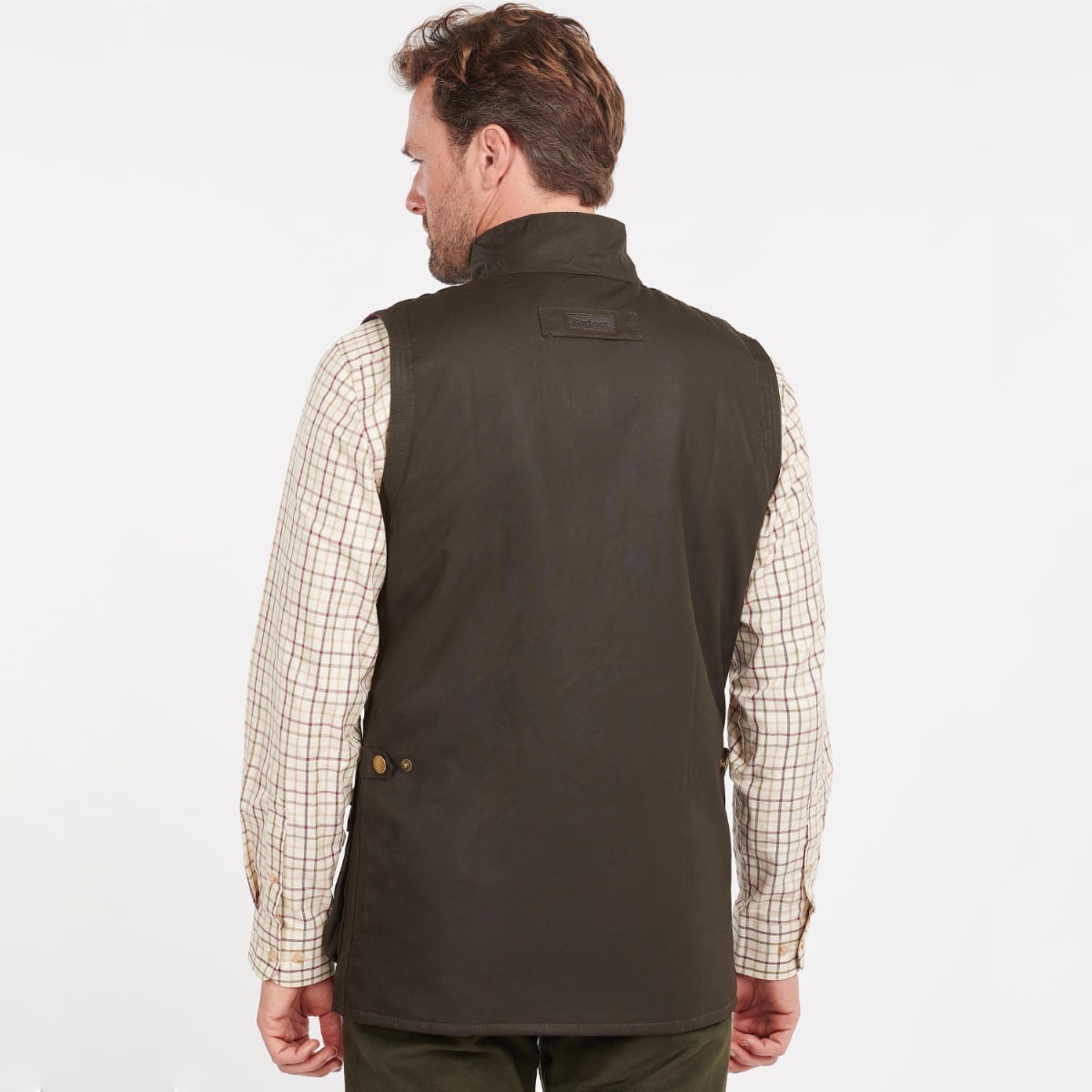
It also retains practical Barbour details such as large bellows pockets, handwarmer pockets, a two-way zip, studded storm fly and corduroy-lined collar. It is traditional countrywear, but none of those features has stopped being useful.
What is the Barbour Westmorland?
The Westmorland is Barbour's long-established men's waxed waistcoat, now generally described by the company as a waxed gilet. The terminology may have changed with the times, but the basic principle is familiar: take the practical body coverage and storage of a country jacket, remove the sleeves and create something that can be worn across a much wider range of temperatures.
The current Westmorland, style MWX0723, is made from medium-weight 6oz Sylkoil waxed cotton. Compared with Barbour's smoother traditional Thornproof finish, Sylkoil has a softer, slightly more lived-in appearance and a drier handle.
The design includes light wadding rather than substantial insulation, so this is not intended to behave like a heavily padded winter gilet. Instead, the Westmorland provides a useful additional layer around the torso while leaving you free to adjust the shirt, jumper or fleece worn underneath according to the conditions.
From the original Westmorland to the New Westmorland
The Westmorland sold today is not simply an unchanged continuation of the earliest version.
The original Westmorland had a more traditional Barbour shape. In our experience at Allweathers, it was a regular to relaxed garment with the sort of room customers often associate with older countrywear. It was designed at a time when generous layering space was part of the expected character of this type of clothing.
Barbour later renewed the design. The updated garment was initially sold as the New Westmorland, a useful distinction because it was recognisably related to the original but had been brought closer to contemporary expectations.
Westmorland evolution
Original Westmorland → New Westmorland → Westmorland
The renewed MWX0723 version originally carried the New Westmorland name. Over time, the word "New" gradually disappeared and the updated garment returned to being sold simply as the Westmorland.
That can cause confusion when looking at older product descriptions because "Westmorland" can refer either to the earlier traditional design or to the modernised version now carrying the familiar name.
The most important change for customers is the shape. The renewed Westmorland became slimmer and cleaner through the body than the original. That makes it easier to wear as contemporary everyday clothing, but it also means customers familiar with an older Westmorland should not automatically assume the same labelled size will feel identical.
How does the current Westmorland fit?
This is one area where the history of the product matters.
Barbour's current description refers to a relaxed fit with room for layering. However, our experience with the renewed Westmorland is that it is noticeably slimmer than the original model. Earlier Allweathers product information for the renewed garment described its shape as tailored: contemporary and neater through the body without being extremely slim.
Those two descriptions are easier to reconcile when you remember that fit labels are relative. The current Westmorland can still accommodate sensible layers, but it does not have the same generous traditional shape as the original waistcoat.
Allweathers fit advice
If you owned an original Westmorland, do not assume the renewed version will feel equally roomy. The modern garment has a closer silhouette.
If you plan to wear substantial knitwear underneath, or simply prefer the traditional relaxed Barbour feel, it is particularly important to compare the garment measurements with a waistcoat or gilet you already own.
Westmorland garment measurements
These are garment measurements rather than body measurements. The chest figure is measured from armpit to armpit with the garment laid flat.
| Size | Chest: pit to pit | Back length |
|---|---|---|
| Small | 49 cm | 72 cm |
| Medium | 55 cm | 76 cm |
| Large | 59 cm | 76 cm |
| Extra Large | 64 cm | 81 cm |
| Extra Extra Large | 69 cm | 82 cm |
Measurements are particularly useful with a garment like the Westmorland because the amount of room you need depends on how you intend to layer it. Someone wearing it mainly over shirts will want a different amount of ease from someone planning to add a substantial jumper underneath.
Why is the Westmorland such a useful layering piece?
The advantage of a waistcoat is not complicated: it adds coverage where you need it without adding sleeves where you may not.
That becomes particularly useful during British spring and autumn weather, when conditions can move between cool, breezy, damp and unexpectedly mild during the same day.
Over a checked shirt, the Westmorland gives the torso additional wind resistance and light warmth while leaving the arms unrestricted. Add a lambswool jumper or other knitwear underneath and the same garment can continue working as temperatures fall.
For driving, working outdoors, walking the dog or moving between indoors and outside, that flexibility can be more practical than repeatedly putting on and taking off a full jacket.
The details that make it more than an ordinary gilet
The Westmorland is not simply a sleeveless waxed shell. Much of its usefulness comes from details inherited from Barbour's traditional country clothing.
6oz Sylkoil waxed cotton
The waxed outer helps resist wind and everyday rain while giving the garment the distinctive appearance associated with Barbour countrywear. It should not be confused with a seam-sealed technical waterproof, and its weather resistance depends on the wax finish being maintained over time.
Light wadding
There is enough insulation to make the Westmorland more than a simple unlined waistcoat, but not so much that it becomes a bulky winter bodywarmer. That balance is one reason it works across several seasons.
Bellows pockets
Two large lower bellows pockets provide considerably more useful storage than the small hand pockets found on many modern lifestyle gilets. Their position and capacity reflect the Westmorland's countrywear origins.
Handwarmer pockets
Separate moleskin-lined handwarmer pockets sit above the bellows pockets. They give cold hands somewhere comfortable to go without taking up the main storage space below.
Two-way zip and storm fly
The front closes with a two-way zip covered by a studded storm fly. The arrangement provides adjustable comfort while helping to reduce wind reaching the centre front.
Corduroy-lined collar and tartan lining
The corduroy collar and cotton Barbour tartan lining connect the Westmorland visually with the wider waxed-jacket range. They are familiar details, but they also have practical value: corduroy gives a comfortable finish around the neck, while the cotton lining keeps the interior relatively light.
Olive, Rustic and Archive Olive
Olive is the colour most closely associated with the current Westmorland and remains the established version in the range.
There have, however, been alternatives. Allweathers has previously sold the Westmorland in Rustic, while an Archive Olive version was also produced. Both colourways were relatively short-lived and were subsequently discontinued.
That history is worth mentioning because older examples still appear in wardrobes and on the second-hand market. A customer searching for a Rustic or Archive Olive Westmorland may therefore be looking at the same broad modern Westmorland family even though those colours are no longer part of the current choice.
Who is the Barbour Westmorland best suited to?
The Westmorland makes most sense for someone who wants a practical outer layer rather than maximum insulation.
It is particularly well suited to customers who:
- like traditional Barbour waxed clothing but do not always need a full jacket;
- want a garment that can be adjusted easily with different layers underneath;
- appreciate large, genuinely useful pockets;
- prefer freedom through the arms for driving, walking or outdoor jobs;
- want something equally comfortable with a checked shirt, jumper or other countrywear layers;
- prefer established, functional design to a heavily technical or fashion-led gilet.
It is also a useful option for Barbour owners who already have a full waxed jacket but find there are many days when they want some protection around the body without wearing the complete coat.
What does the Westmorland not replace?
A good layering piece does not need to do every job.
The Westmorland is not a replacement for a fully waterproof technical shell when prolonged heavy rain is expected. Waxed cotton is designed to resist weather, but it does not perform in exactly the same way as a modern waterproof garment with a membrane and sealed seams.
Nor is the Westmorland a heavily insulated winter gilet. Its light wadding adds useful warmth, but cold-weather performance depends heavily on what you wear underneath.
Those limitations are part of what makes it versatile. If Barbour had turned it into a thick insulated bodywarmer, it would lose much of the easy layering ability that gives the design its purpose.
Why has the Westmorland lasted?
The Westmorland has remained relevant because there is very little in its basic design that needs reinventing.
A sleeveless outer layer still gives freedom of movement. Waxed cotton still provides useful protection in changeable weather. Large pockets remain useful. A two-way zip remains practical. And the ability to add or remove layers continues to make sense in a climate where conditions rarely stay consistent for long.
Barbour has changed the garment rather than simply freezing it in time. The original regular-to-relaxed shape gave way to the slimmer New Westmorland, which eventually inherited the Westmorland name again. The result is a garment with recognisable countrywear roots but a shape that feels easier to incorporate into modern everyday clothing.
That is a better explanation for its longevity than simply calling it timeless. The Westmorland continues to work because its purpose is still relevant.
Is the Barbour Westmorland right for you?
If you want substantial winter insulation or technical waterproof protection, there are more specialised garments for those jobs.
If, however, you want a versatile waxed layer that can sit over a shirt one day and knitwear the next, the Westmorland remains a particularly practical choice. Its design is uncomplicated, its pockets are genuinely useful and its sleeveless construction lets you regulate warmth without sacrificing freedom of movement.
For customers who remember the original Westmorland, the main point to bear in mind is fit. The renewed version is neater through the body, so checking the garment measurements is worthwhile before assuming your historic Westmorland size will translate directly to the current model.
View the current Barbour Westmorland
The current Westmorland is available from Allweathers in traditional Olive. View the product page for current sizes, detailed photographs and availability.
View the Barbour Westmorland Waxed Gilet
Written by Darren Phillips