
Washing an insulated jacket can feel risky, particularly when it is filled with down. The good news is that a jacket which looks flat, lumpy or uneven after washing is not necessarily ruined. In many cases, the insulation simply needs to be dried properly and redistributed.
Down and synthetic insulation do need slightly different treatment, so the first step is always to identify what is inside your jacket and check the manufacturer's care label. That label takes priority over any general advice, including this guide.
Before washing an insulated jacket: check the care label, empty the pockets, remove detachable fur or faux-fur trim where applicable, close the zips and inspect the garment for damage. Use an appropriate cleaner, avoid fabric conditioner and allow plenty of time for the jacket to dry completely.
Down vs synthetic: why the washing method matters
Down and synthetic insulation both work by trapping air, but they behave differently when wet. Down is particularly dependent on maintaining its loft: when the fine down clusters become wet, they can stick together and collect in one part of a baffle. If they are not separated again during drying, the jacket can appear thin and lumpy.
Synthetic insulation does not contain feathers and is generally less prone to this type of clumping, although it still needs careful washing and drying if you want to maintain its loft and performance.
If you are unsure which type of insulation is right for you, our guide to down vs synthetic insulation explains the wider differences in more detail.
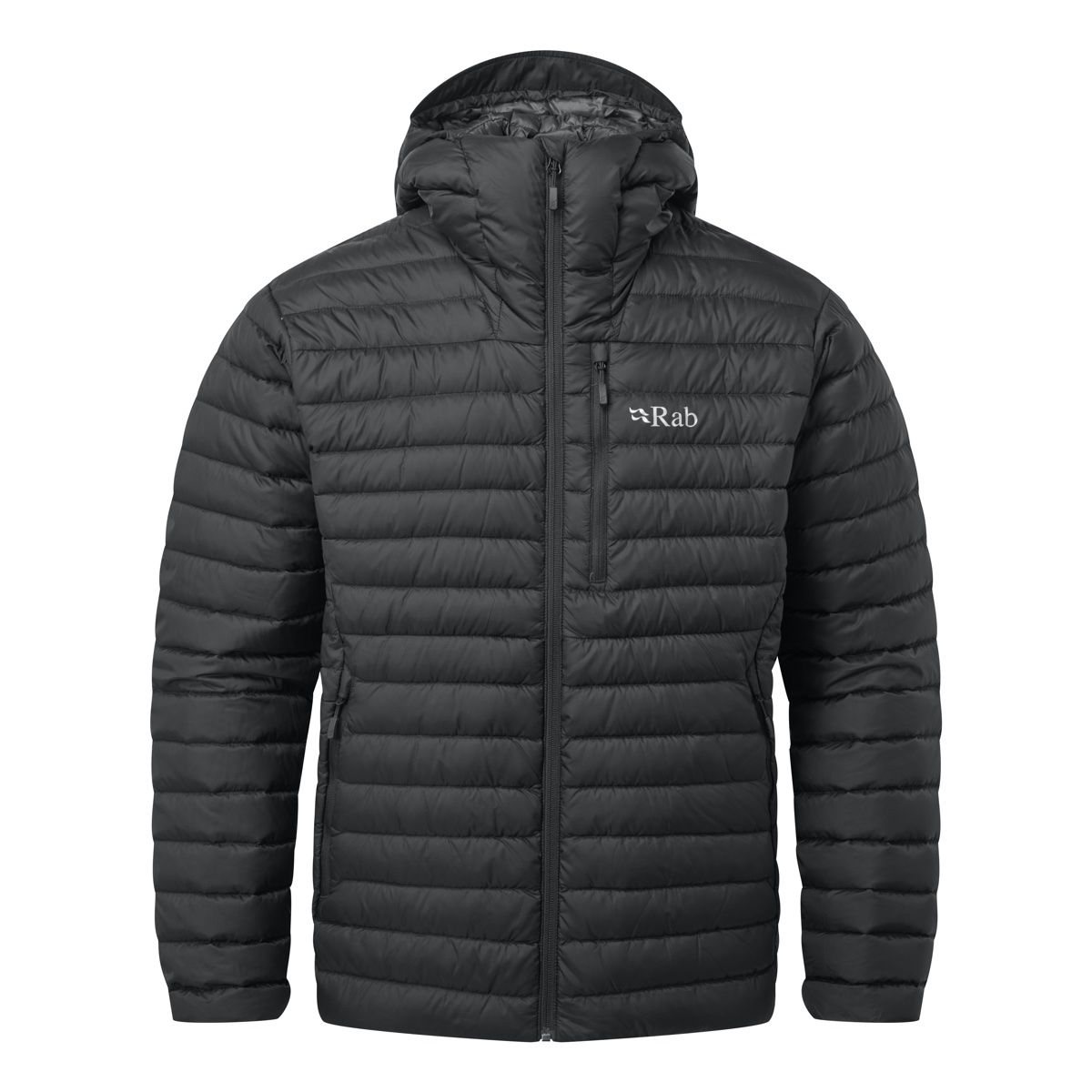

Down and synthetic insulated jackets
Examples of down-filled jackets include the Rab Microlight Alpine Insulated Men's Jacket and The North Face Diablo Down 2.0 Insulated Men's Jacket. For synthetic insulation, see the Rab Cirrus Alpine Insulated Men's Jacket and Rab Cirrus Alpine Insulated Women's Jacket.
The exact instructions vary by garment, but these are the main practical differences to keep in mind.
| Care point | Down insulation | Synthetic insulation |
|---|---|---|
| Before washing | Check the care label and inspect the shell carefully for tears or escaping down. | Check the care label and inspect the jacket for damage. |
| Cleaner | A specialist down cleaner is the safest general choice where compatible with the care label. | Use the cleaner specified or permitted by the manufacturer. |
| Fabric conditioner | Avoid. | Avoid unless the manufacturer explicitly says otherwise. |
| Drying | Allow plenty of time. The filling must be completely dry and the down needs to be redistributed as it dries. | Dry thoroughly according to the care label. Synthetic insulation normally requires less manual re-lofting. |
| If it looks flat | Clumping often means the down is still damp or has not been redistributed properly. | Allow it to dry fully and gently restore the loft in accordance with the garment instructions. |
Before washing any insulated jacket
Good preparation reduces the chances of damaging the garment and makes it easier to get an even result.
- Read the care label. Do this before choosing a wash cycle, temperature, detergent or drying method. Some jackets can be machine washed, while others need different treatment.
- Empty every pocket. Check internal security pockets as well as the obvious hand pockets.
- Remove detachable trim. Fur, faux-fur and other detachable components should be removed before washing where the garment instructions require it.
- Close the zips. Fasten the main zip and pocket zips so loose hardware is less likely to catch during washing.
- Check the jacket for damage. Look for small holes, open seams or areas where insulation is already escaping. It is usually better to deal with damage before putting the garment through a wash cycle.
- Check the washing machine. Residual conventional detergent or fabric conditioner in the dispenser can contaminate a technical wash, so make sure the machine and detergent drawer are reasonably clean before you begin.
Important: do not automatically copy the settings you used for another insulated jacket. Two garments that look very similar can have different shell fabrics, treatments, insulation and care requirements.
How to wash a down jacket: step-by-step
Down can be washed successfully at home when the garment is suitable for machine washing and you follow the care instructions carefully. The main challenge is usually not washing the down but getting it completely dry afterwards.
- Check the jacket's care label. Confirm the permitted washing temperature, cycle and drying method.
- Prepare the jacket. Empty the pockets, remove detachable trim where necessary and close the zips.
- Use a suitable down cleaner. Avoid fabric conditioner and do not assume an ordinary heavy-duty detergent is suitable for the garment.
- Select the correct wash programme. Where the care label permits it, insulated jackets are generally washed using a cool, gentle cycle with a low spin rather than an aggressive wash.
- Rinse thoroughly. Cleaner left in the insulation is not helpful. If your machine and the jacket instructions allow an additional rinse, it can help remove residue.
- Handle the wet jacket carefully. Wet down is delicate and the garment will be heavier than normal. Support it when moving it from the washing machine rather than pulling on one part of the shell.
How to dry a down jacket properly
This is the stage where many problems occur. The outer fabric can feel dry while the down inside the baffles is still damp, so do not assume the job is finished simply because the surface no longer feels wet.
If the care label permits tumble drying, use the temperature specified by the manufacturer and expect the process to take time. Low heat is commonly used for suitable down garments because excessive heat can damage lightweight shell fabrics.
While the jacket is drying
- Remove it periodically and give it a gentle shake.
- Feel each baffle for damp or compacted areas.
- Very gently separate obvious clumps with your fingers.
- Clean dryer balls or tennis balls can help move and separate the filling where the garment instructions allow tumble drying.
- Continue until the down feels light, evenly distributed and completely dry.
If you are air drying a down jacket, place it flat rather than hanging it vertically while it is saturated. Wet down can settle towards the bottom of the garment. Turn the jacket and gently work through the baffles periodically as it dries.
Do not rush this stage. A down jacket can take considerably longer to dry than expected. Storing it while the filling is still damp can leave the down compressed and may encourage unpleasant odours.
My down jacket has gone lumpy after washing – have I ruined it?
Usually, no. A down jacket that looks thin, uneven or lumpy after washing has often simply not dried properly.
When wet, down clusters stick together. They can also move from one part of a baffle to another. Until the filling has been separated and dried completely, large parts of the jacket can appear to contain almost no insulation.
How to restore clumped down
- Check whether the jacket is still damp. Pay particular attention to thick or compacted areas rather than judging only by the shell fabric.
- Gently manipulate the baffles. If the down is wet, very softly pinch and work the clumps apart. Do not pull aggressively, as down is particularly fragile when wet.
- Redistribute the filling. Work the down back towards areas of the baffle which appear empty.
- Continue drying correctly. If tumble drying is permitted, use the care-label setting and periodically remove the garment to shake and redistribute the insulation.
- Use clean dryer balls or tennis balls where appropriate. The movement can help break apart stubborn clumps as the filling dries.
- Be patient. Continue until the filling is evenly distributed and completely dry.
If the jacket has already been washed, dried and remains badly clumped, repeating the correct washing and drying process may help release detergent residue or clumps that were not properly separated the first time.
A down jacket losing its puffiness immediately after washing does not by itself mean that the insulation has been permanently damaged. The jacket should only be assessed once the filling is fully dry and properly re-lofted.
How to wash a synthetic insulated jacket: step-by-step
Synthetic insulated jackets are generally less demanding to dry than down, but they still need careful treatment. The shell fabric, water-repellent finish and type of synthetic insulation can vary, so the care label remains the starting point.
- Check the manufacturer's instructions. Confirm that machine washing is permitted and note the recommended temperature and cycle.
- Prepare the garment. Empty pockets, remove detachable non-washable trim and close zips and other appropriate fastenings.
- Use the correct cleaner. Choose a technical garment cleaner or other product permitted by the care instructions.
- Avoid fabric conditioner. Unless the manufacturer specifically instructs otherwise, fabric conditioner is best avoided on technical insulated garments.
- Use a gentle wash. Follow the recommended temperature and spin setting rather than choosing a more aggressive programme to tackle dirt.
- Dry thoroughly. Follow the care label. If tumble drying is allowed, use the specified heat setting. If not, allow the jacket to air dry fully before storing it.
Synthetic insulation can still lose loft if it is repeatedly compressed, overheated or cared for incorrectly, so treat it as technical clothing rather than as an ordinary sweatshirt or fleece.
What detergent should you use?
For down garments, we recommend using a specialist cleaner designed for down when it is compatible with the jacket's care instructions. Nikwax Down Wash is one example designed specifically for cleaning down-filled clothing and equipment.
For synthetic insulated jackets, use a cleaner appropriate to technical clothing and permitted by the manufacturer. The jacket's label should always take priority over generic detergent advice.
Avoid fabric conditioner. It is not a substitute for a technical cleaner and can interfere with the materials and finishes used in outdoor clothing.
What should I do if feathers are coming through my down jacket?
Seeing an occasional feather or small amount of down appearing through the shell does not necessarily mean your jacket is faulty. Down insulation contains extremely fine down as well as feathers, and feather quills can sometimes work their way towards tiny openings in the fabric or stitching.
Do not pull a feather out. Pulling it through the shell can enlarge the opening and may draw more of the filling out with it.
Instead, try to grasp the feather or down cluster from the opposite side of the fabric and gently pull it back inside the jacket. Once it is back inside, softly rub the fabric between your fingers. This can help the fibres settle back into place around the small opening.
An occasional escaping feather is different from insulation pouring from an obvious tear. If you can see a hole in the outer fabric, deal with the damage promptly so that it does not become larger.
How to repair a small hole in a down jacket
Small tears can occur surprisingly easily. Thorny branches, sharp rock, equipment and even a stray ember can damage the lightweight outer fabrics commonly used on insulated jackets.
If you notice a hole, deal with it before more insulation escapes.
- Push loose down back inside. Do not pull escaping feathers out through the tear.
- Clean around the damaged area. The fabric needs to be clean and dry before a repair patch is applied.
- Choose an appropriate repair patch or tape. Cut it large enough to cover the whole damaged area.
- Round the corners. A circular or rounded patch has fewer hard corners to catch and begin lifting.
- Lay the jacket flat. Smooth the shell so there are no unnecessary folds beneath the repair.
- Apply the patch carefully. Press it firmly and smooth out wrinkles in accordance with the patch manufacturer's instructions.
A temporary repair may be enough to get you home when damage happens outdoors, but consider how easily any emergency tape will come off later. Strong adhesive tape can make a subsequent professional repair more difficult.
Avoid automatically reaching for a needle and thread. Many insulated jackets use very lightweight shell fabrics, and unnecessary stitching can create further holes or extend an existing tear.
When should you use a professional cleaning or repair service?
Home washing and simple patch repairs are useful skills, but doing the job yourself is not always the best option.
Professional help is worth considering when:
- The care label or garment construction makes you uncertain about washing it at home.
- You do not have suitable drying facilities for a down garment.
- The down remains badly clumped after a careful second attempt at drying and re-lofting.
- The jacket has a large rip, damaged seam or significant loss of insulation.
- The damage affects an important technical area of the garment.
- You want a neater or more permanent repair than a self-adhesive patch can provide.
- The jacket represents a substantial investment and you would prefer specialist care.
For eligible Rab garments, the Rab Service Centre is one professional option for repair work. Check the current service details and eligibility before sending a garment.
How often should you wash an insulated jacket?
There is no useful universal rule that says every insulated jacket must be washed after a fixed number of wears.
Washing is appropriate when the jacket is genuinely dirty, has picked up persistent odours or has become contaminated enough that cleaning is needed. A jacket worn every day through winter will naturally require different care from one used occasionally on cold, dry days.
Unnecessary washing creates additional wear, but avoiding washing indefinitely is not good care either. Dirt and body oils can build up around areas such as the collar, cuffs and hood and can affect the way technical fabrics and insulation perform.
The best approach is simple: clean the garment when it needs it, use the correct process and follow the care label every time.
Frequently asked questions
Can you wash a down jacket in a washing machine?
Many down jackets can be machine washed, but not all garments have identical instructions. Check the care label first and use the temperature, cycle and cleaner appropriate to the exact jacket.
Can you tumble dry a down jacket?
Only if the care label permits it. When tumble drying is allowed, the correct low-temperature setting and patient drying can help restore the down's loft. Remove the jacket periodically to shake it and separate any clumps.
Can you air dry a down jacket?
If the garment instructions allow air drying, lay the wet jacket flat rather than hanging it vertically while saturated. Turn it and gently redistribute the down as it dries. Whatever method you use, make sure the filling is completely dry before storage.
Why has my down jacket gone flat after washing?
The most common explanation is that the wet down has clumped together and has not yet been fully dried and redistributed. Gently work apart the clumps and continue the drying process before deciding that the insulation has been damaged.
Can I use normal washing detergent on a down jacket?
A specialist down cleaner is the safer general choice for washable down garments. Always check the jacket's care instructions before selecting a cleaning product.
Can I use fabric conditioner on an insulated jacket?
We recommend avoiding fabric conditioner unless the manufacturer's care instructions explicitly permit it. Technical clothing and insulation are better treated with products designed for the garment.
Do dryer balls help fluff up a down jacket?
Clean dryer balls or tennis balls can help break up wet clumps and redistribute down during tumble drying when the jacket's care label permits tumble drying. They do not replace the need to use the correct heat setting or to make sure the garment is fully dry.
Why are feathers coming out of my down jacket?
An occasional feather can work through the fabric or stitching because feather quills have relatively sharp ends. Do not pull it out. Instead, gently draw it back inside from behind the shell and rub the area softly between your fingers.
Can you wash synthetic insulated jackets?
Many synthetic insulated jackets are washable. Follow the exact care label, use an appropriate cleaner, avoid fabric conditioner unless specifically permitted and dry the garment according to the manufacturer's instructions.
Should you wash an insulated jacket if it has a tear?
Inspect and deal with the damage first. Washing a jacket with an open tear can allow more insulation to escape and may make the damage worse.
Good care can extend the useful life of your jacket
The most important points are straightforward: follow the garment's own instructions, use an appropriate cleaner, avoid unnecessary heat and give down enough time to dry fully and regain its loft. Deal with small problems early rather than waiting for a loose feather or small tear to become a larger repair.
Read our down vs synthetic insulation guide