Ametora Style: 5 Japanese Rules for Wearing Barbour and Boat Shoes
Ametora style is Japan’s refined take on American traditional menswear, and it helps explain why classic pieces like a Barbour jacket and a sturdy boat shoe still look so relevant now. Instead of wearing prep in a polished country-club way, Japanese styling gives it more texture, more ease and more personality. Think relaxed chinos, Oxford shirts, useful knitwear and practical outerwear that looks better the more it is worn.
For the fuller history behind the look, W. David Marx’s Ametora: How Japan Saved American Style is the essential starting point. The book traces how Japan studied, preserved and reinterpreted American menswear, turning imported ideas into a distinct clothing culture that would later influence the rest of the world.
IN SIMPLE TERMS
Ametora style takes classic American prep and gives it a more practical, layered and quietly refined Japanese feel. In this wardrobe formula, the Barbour Classic Bedale or Barbour Beaufort provides the heritage outerwear, while the Timberland Authentic 3-Eye Boat Shoe brings a rugged twist to a traditional preppy staple.
In this article
What is Ametora style?
Ametora is short for “American traditional”. In simple terms, it describes Japan’s long-running fascination with Ivy League, East Coast and preppy menswear, filtered through Japanese attention to detail and styling. Over time, the look moved beyond straight campus references and became broader, taking in workwear, military pieces, outdoor gear and British heritage garments too.
That is why Ametora does not stop at blazers, loafers and button-down shirts. It also makes room for wax jackets, rugged footwear, sweatshirts, cords and practical knitwear. The result feels less like costume prep and more like a lived-in wardrobe built over time. For a UK customer, that makes it surprisingly wearable in daily life.
How does British style fit into Ametora?
There is a satisfying full-circle story behind the way a Barbour jacket appears in an Ametora wardrobe. Japan first absorbed American Ivy and East Coast style, but those traditions already carried British influences through country clothing, tweed, knitwear, sporting garments and practical outerwear.
Japanese stylists then refined those American references and mixed them with British heritage pieces such as wax jackets and Harris Tweed. The result travelled back around the world, including to Britain, where we are now borrowing Japanese ideas about proportion, layering and relaxed styling to find new ways of wearing our own heritage clothing. It is less a straight line from one country to another and more a continuing British–American–Japanese style loop.
THE STYLE LOOP
British country clothing helped shape American East Coast style. Japan studied and refined that American tradition, then blended it with British heritage wear. Today, British customers are rediscovering familiar pieces through Japanese styling.
Why do heritage brands matter in Japanese menswear?
Part of the appeal is consistency. Heritage clothing gives you stable reference points: a proper wax jacket, a sturdy handsewn shoe, a crew-neck knit and a well-cut Oxford shirt. Japanese menswear culture has long valued pieces with history, function and recognisable design language, which is why so many old-school brands still feel relevant there.
Ametora also treats clothing as something to be studied and worn well. The attraction is not only the label. It is the shape of a jacket, the way leather ages, the balance between a roomy trouser and a shorter coat, or the way a boat shoe can look smarter or tougher depending on what it is paired with. That makes Barbour a natural fit. A wax jacket brings heritage, weather protection and patina, while also stopping a preppy outfit from looking too polished.

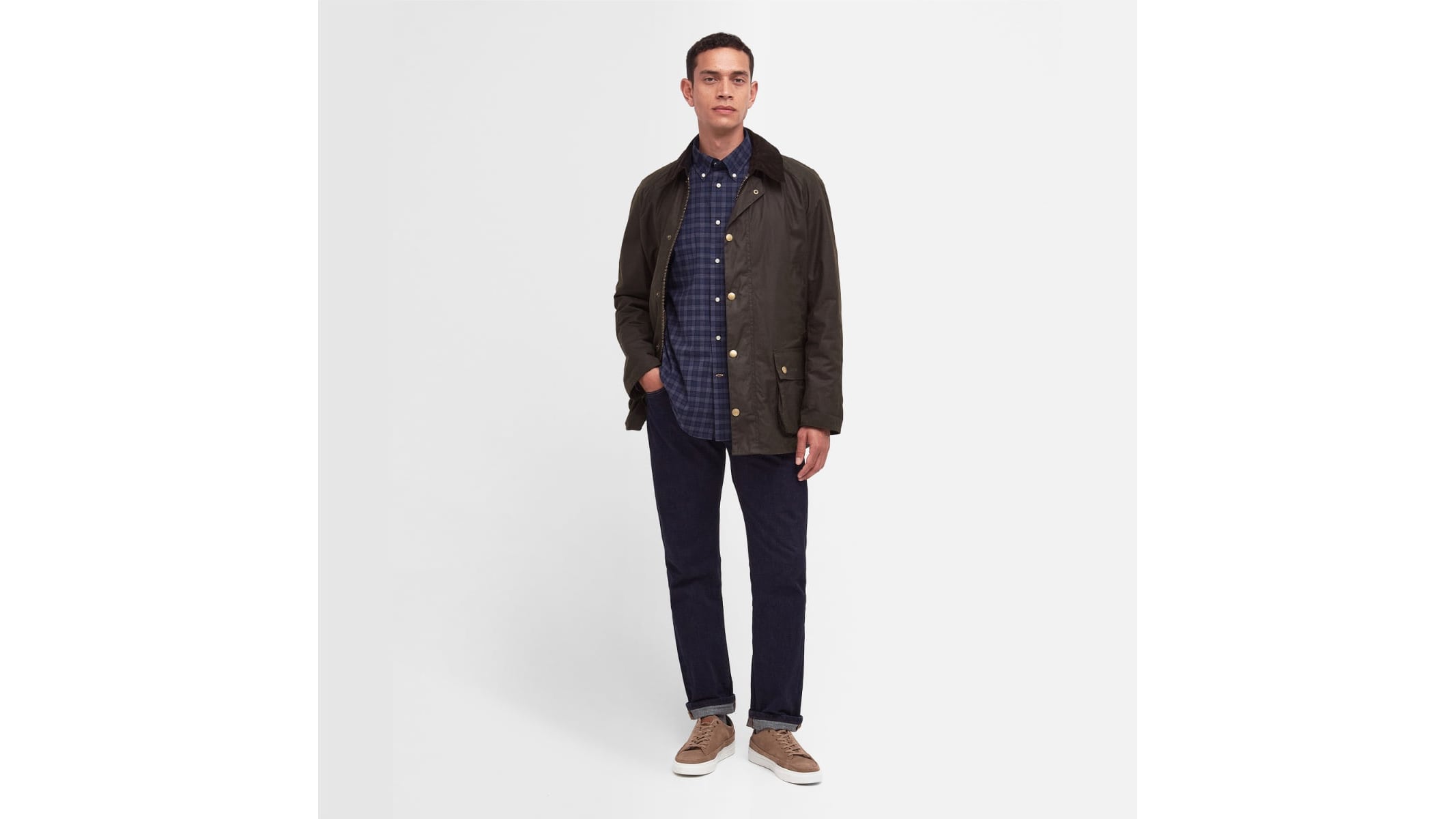
A shorter waxed jacket that fits the cleaner, urban side of Ametora especially well.
Shop the Bedale →How do Tokyo and Osaka interpret the look differently?
This is best understood as a styling lens, not a rigid rule. Both cities have deep menswear cultures, but the mood often changes.
Tokyo often leans towards a cleaner and more restrained version of Ametora. You tend to see tidy layering, relaxed but controlled fits and a smart use of classic basics. A shorter jacket such as the Bedale works especially well here, worn with fuller chinos, a plain crew knit and sturdy leather shoes.
Osaka often has a more vintage-led, slightly more rugged energy. The styling can feel a touch looser, more expressive and closer to Americana, workwear and second-hand influences. That is where the Beaufort comes into its own, especially with textured knitwear, cords or straight denim and chunkier footwear.
Both approaches share the same core values: quality, proportion and heritage. Tokyo looks a little sharper. Osaka often looks a little more rugged.

What are the 5 Japanese rules for wearing Barbour and boat shoes?
1. Start with one heritage anchor piece
The easiest way to build an Ametora outfit is to begin with one clear reference point. That might be a wax jacket or a classic boat shoe. If you start with the Barbour Bedale, the rest of the outfit can stay simple: Oxford shirt, crew-neck knit and relaxed chinos. If you start with the Timberland 3-Eye, build upwards with a button-down shirt, straight trousers and a practical jacket. The trick is not to stack too many statement pieces at once.
2. Relax the fit of your trousers
One of the biggest differences between dated prep and modern Ametora is proportion. Slim trousers can make heritage pieces look stiff. A slightly roomier chino, straight jean or relaxed cord makes the whole outfit feel more current. This matters especially with Barbour jackets, because the waxed cotton and cord collar already add visual weight. Slightly wider trousers balance that out.
Look for a medium-to-high rise, room through the thigh and a straight or gently tapered leg rather than a narrow ankle. The aim is relaxed structure, not oversized trousers pooling around the shoe.
- Straight raw denim: choose an unwashed or dark-rinse jean with a 1950s-style straight leg and little taper.
- OG-107-style fatigue trousers: the fuller military shape and patch pockets add utility without competing with the jacket.
- Heavyweight Ivy chinos: a wide or straight chino, ideally with a medium or high rise and an optional single pleat, gives the cleanest preppy result.
- Relaxed cords: straight wale cords in brown, olive or stone work particularly well with the longer Beaufort silhouette.
Let the hem meet the shoe with a clean break or a small amount of fabric resting on the upper. That softer line helps substantial footwear such as the Timberland 3-Eye feel properly connected to the rest of the outfit.
3. Use knitwear to soften the look
This is where a simple crew-neck jumper earns its place. Knitwear gives structure, warmth and colour contrast without making the outfit feel formal. It also helps bridge the gap between a shirt and a wax jacket.
- Barbour Tisbury Crew Neck Men’s Jumper, Dark Seaweed works well when you want an earthy, tonal look with olive outerwear.
- Barbour Horseford Crew, Navy suits a cleaner preppy palette, especially with a light blue shirt and stone chinos.

An easy knit layer that adds depth and colour to an Ametora outfit built around olive waxed cotton.
Shop the Tisbury →If you prefer a more classic navy layer, the Barbour Horseford Crew, Navy is another strong option.
4. Mix prep with utility
Ametora works best when it does not feel too polished. That means mixing smarter staples with practical ones. An Oxford shirt looks better with a wax jacket that has texture. Relaxed chinos feel more grounded with leather footwear that has some weight. A crew-neck knit keeps the look tidy, but the jacket and shoes stop it from feeling precious.
This is why the Timberland Authentic 3-Eye is more than an ordinary boat shoe. Its handsewn moccasin-style upper belongs to the world of American prep, while the deep rubber lug outsole borrows the stance and practicality of a work boot. That hybrid construction bridges the gap between Ivy style and utility wear: smart enough to work with an Oxford shirt, but substantial enough for relaxed trousers, waxed cotton and wet city pavements.
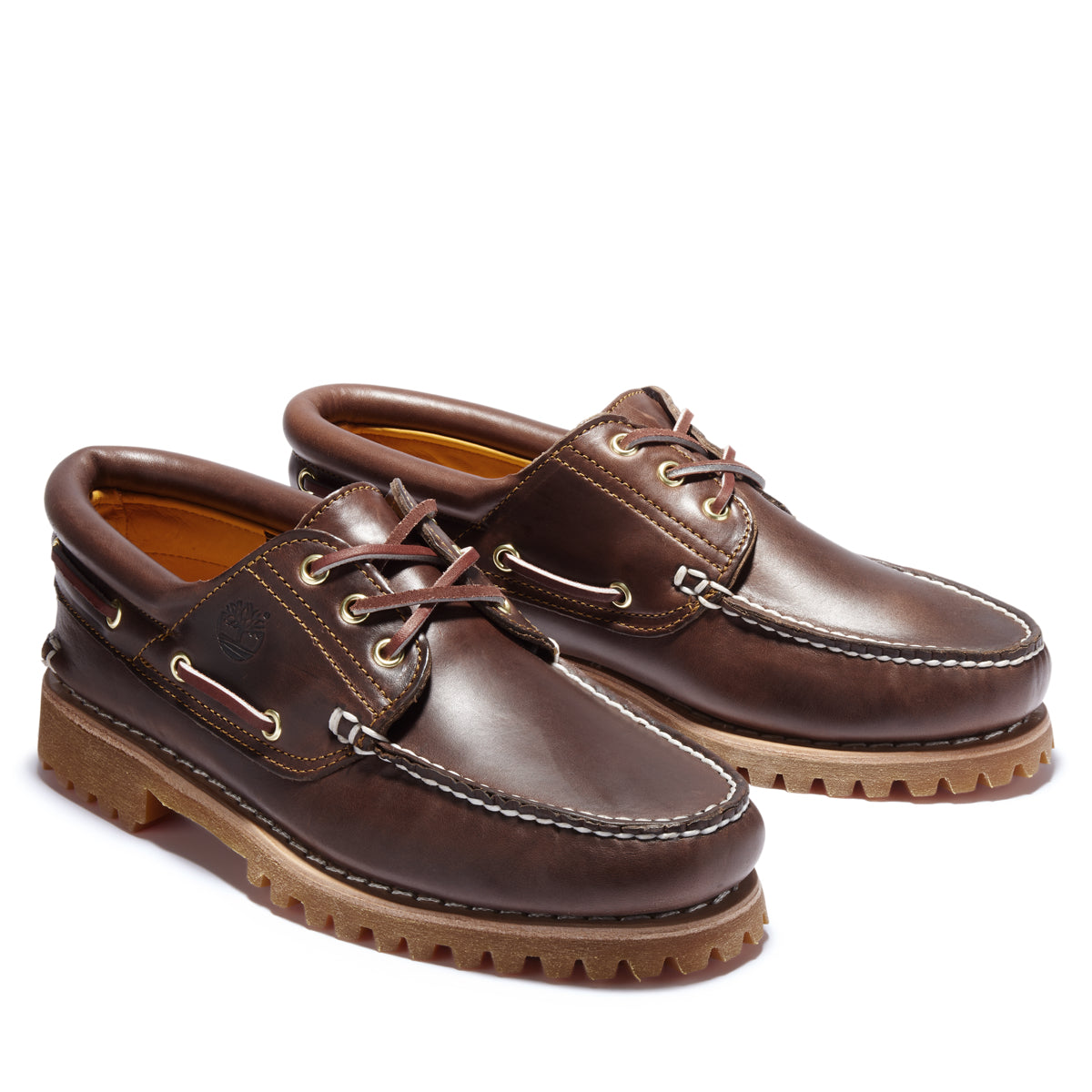
A rugged interpretation of the classic boat shoe that gives preppy styling more substance.
Shop the 3-Eye →5. Keep the palette grounded
The strongest Ametora outfits tend to use practical, muted colours. Olive, sage, navy, brown, cream, stone and washed denim all work well. That makes the approved products especially easy to style together: an olive Bedale or sage Beaufort, brown Timberland 3-Eyes and a knit in dark green or navy. The effect is understated, classic and easy to wear in British weather.

Should you choose the Barbour Bedale or the Beaufort?
If you want the short answer, choose the Barbour Classic Bedale for a more compact, urban and easy-to-style silhouette. Choose the Barbour Beaufort if you prefer a little more coverage and a more traditional country shape.
AT A GLANCE: THE MAIN DIFFERENCES
| Feature | Barbour Classic Bedale | Barbour Beaufort |
|---|---|---|
| Overall feel | Shorter and more compact | Longer and more traditional |
| Best styling direction | Tokyo-inspired, clean and urban | Osaka-inspired, rugged and heritage-led |
| Best with | Relaxed chinos, denim and knitwear | Cords, chinos and layered shirts with knitwear |
| Visual effect | Crisp, balanced and easy to dress down | More coverage and more room for layered outfits |
| Best for | Everyday city wear and easy versatility | Those who like a classic field-jacket shape |
The good news is that both jackets work within the same Ametora framework. The choice really comes down to silhouette and how much length you prefer.
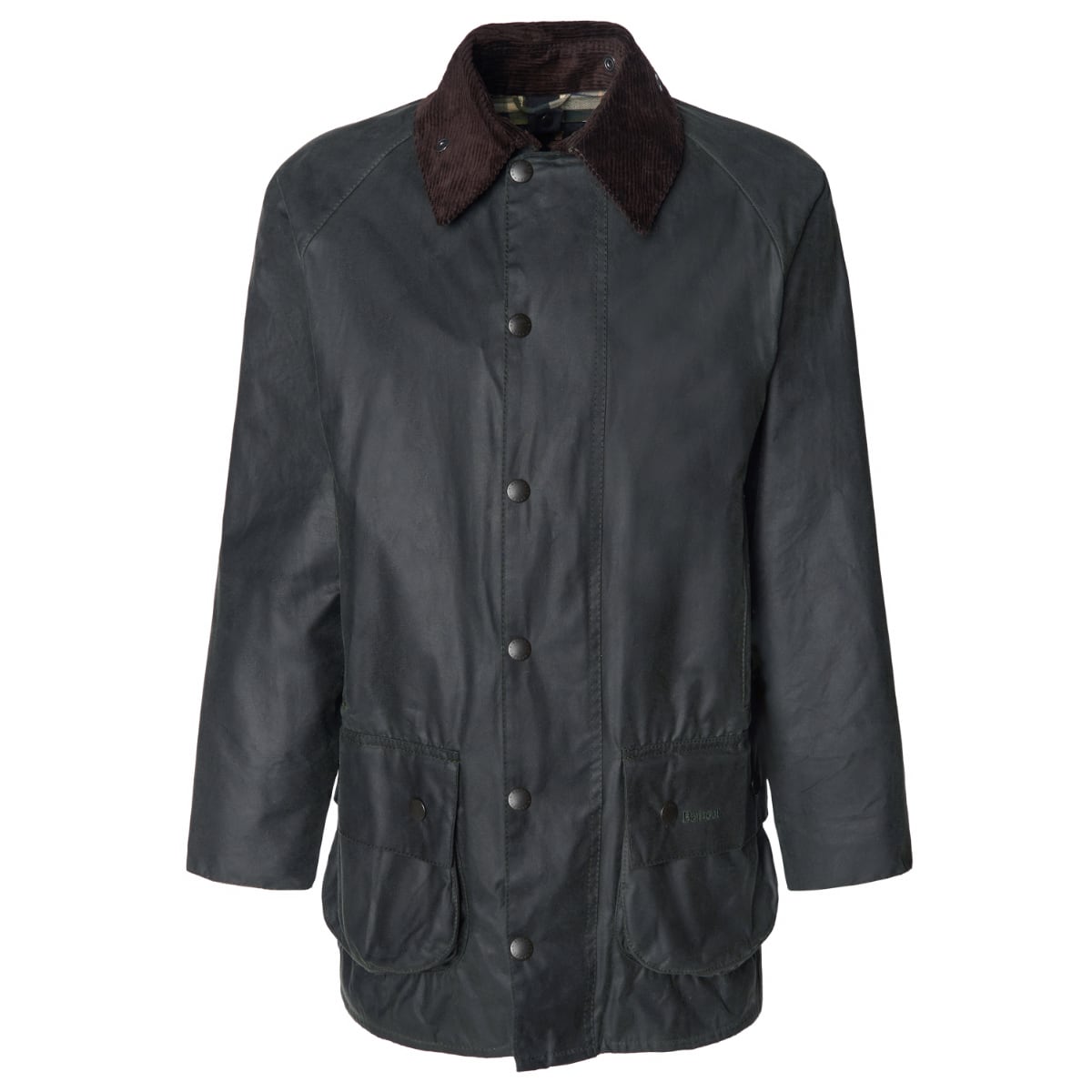
A longer waxed jacket that suits a more rugged and traditional take on the Ametora look.
Shop the Beaufort →Which outfit ideas work best?
The easiest way to make Ametora practical is to think in outfit formulas. These combinations keep the spirit of the look without making it feel forced.
1. Tokyo City Boy
- Barbour Classic Bedale
- Oxford shirt
- Dark green or navy crew-neck knit
- Relaxed stone chinos
- Timberland 3-Eye boat shoes
2. Relaxed weekend prep
- Bedale
- Plain sweatshirt or crew knit
- Straight blue denim
- Timberland 3-Eyes with visible socks
3. Heritage field look
- Barbour Beaufort
- Light blue shirt
- Navy crew knit
- Brown cords or relaxed chinos
- Rugged leather shoes or boat shoes
4. Smart casual Ametora
- Beaufort
- Striped shirt
- Tie
- Relaxed wool trousers
- Brown leather footwear
5. Warm-weather prep
- Oxford shirt
- Chinos
- Timberland 3-Eye boat shoes
- Lightweight knit carried or layered when needed

Why is the Timberland 3-Eye such a good choice for this trend?
A traditional sailing shoe usually sits on a slim, flat deck sole and can feel too neat beside a wax jacket and wider trousers. The Timberland Authentic 3-Eye keeps the recognisable boat-shoe ingredients—handsewn construction, a moccasin-style toe and wraparound lacing—but places them above a chunky rubber lug outsole.
That sole is the key to the entire look. Visually, it gives the shoe enough weight to balance fuller chinos, raw denim and a substantial Barbour jacket. Culturally, it combines two sides of the Ametora wardrobe in one object: prep above and workwear below. It looks at home with an Oxford shirt, yet still feels practical on a damp pavement or during everyday wear. This is why the shoe works so convincingly in Japanese-inspired styling—it makes classic prep feel tougher, less precious and more suited to real life.
WHY THE LUG SOLE MATTERS
Boat-shoe upper: preppy, collegiate and maritime.
Boot-style outsole: rugged, grounded and practical.
The result: a hybrid shoe that links Ivy clothing with workwear and outdoor pieces.
Care, patina and keeping good clothing for longer
Ametora is not only about assembling the correct references. It also values clothes that become more personal through use. A crease in leather, a softened cord collar or the changing finish of waxed cotton should not automatically be treated as damage. These are the details that make a heritage wardrobe feel owned rather than newly assembled.
Caring for a Barbour wax jacket
- Brush off loose dirt and sponge the outer fabric with cold water when required.
- Do not machine wash, tumble dry or dry clean a traditional waxed-cotton jacket, as this can remove the protective finish.
- When the fabric begins to look dry or loses water resistance, reproof it with the correct wax or use Barbour’s professional rewaxing service.
- Pay particular attention to seams, shoulders, elbows and pocket edges, where the finish tends to wear first.
Caring for Timberland leather shoes
- Allow damp shoes to dry naturally away from direct heat, then brush away surface dirt.
- Use a cleaner or conditioner suitable for the particular leather, testing it on a discreet area first.
- Use shoe trees or paper to help retain the shape between wears, and rotate footwear rather than wearing the same pair continuously.
- Do not chase every small mark. Pull-up leather is designed to develop tonal variation, creasing and character as it is worn.
The practical Ametora approach is simple: buy fewer, better pieces, maintain them properly and let them age. A rewaxed Barbour and a well-worn pair of 3-Eyes often look more convincing than either item did straight out of the box.
Frequently asked questions
What does Ametora mean?
Ametora is short for “American traditional”. It describes Japan’s interpretation of classic American menswear, especially Ivy and preppy clothing.
Is Ametora the same as preppy style?
Not exactly. Preppy style is one part of it, but Ametora is broader. It can include workwear, outdoor clothing, military influences and British heritage pieces too.
What is the difference between Ametora and Amekaji?
Ametora usually leans more Ivy, preppy and traditional. Amekaji, short for “American casual”, often leans more denim, vintage workwear and rugged everyday styling.
Which Barbour jacket is better for Ametora style?
Both work well. The Bedale suits a shorter, urban silhouette. The Beaufort is better if you want a longer, more traditional shape.
Can you wear boat shoes with socks?
Yes. In Japanese styling, socks are often part of the look. A visible sock can help make boat shoes feel more grounded and less seasonal.
Which trousers work best with Ametora style?
Choose straight raw denim, relaxed cords, OG-107-style fatigue trousers or medium-to-high-rise Ivy chinos with room through the thigh. A straight or gently tapered leg usually balances Barbour outerwear and chunky boat shoes better than a narrow slim fit.
What mid-layer works best under a Barbour jacket?
A simple crew-neck knit is one of the easiest options. It adds warmth, helps with layering and fits naturally with the Ametora look.
Should a Barbour jacket and Timberland shoes look worn?
Yes, within reason. Creasing, softened fabric and light scuffs can add character, provided the items are kept clean, conditioned and weatherproofed when necessary. Heritage clothing should age rather than simply be neglected.
Build your Ametora wardrobe the practical way
Start with a Barbour waxed jacket, add a crew-neck knit and finish with Timberland 3-Eye boat shoes—then wear, maintain and enjoy them for years.
Free delivery to England, Wales and Mainland Scotland on orders over £50. Exclusions apply. 30-day returns.

Written by Darren Phillips