Down or synthetic insulation? Both can keep you warm, but they have different strengths. Down is particularly effective when low weight, warmth and packability matter, while synthetic insulation is often the more practical choice for damp conditions and repeated active use.
The better option depends on where you are going, how active you will be and how important weight, pack size and wet-weather performance are to you. There is no need to treat one insulation type as universally better than the other.
Choose down when warmth-to-weight and packability are priorities, particularly for cold, relatively dry conditions. Choose synthetic when you expect regular damp conditions, want insulation that dries more quickly or need a jacket for active, changeable-weather use.
What is down insulation?
Down is the fine insulating layer found beneath the tougher outer feathers of ducks and geese. Unlike a conventional feather, a down cluster has a soft, three-dimensional structure with many fine filaments spreading out from its centre.
Those clusters create thousands of small air pockets. The trapped air slows the loss of body heat, giving down its well-known combination of warmth, low weight and compressibility.
This is why down remains popular in insulated jackets designed for cold conditions where keeping weight and packed size to a minimum matters.
What does fill power mean?
Fill power describes the loft of down rather than the percentage of down inside a jacket. Higher fill-power down expands to occupy more volume for a given weight, which can provide an excellent warmth-to-weight ratio.
It is important not to confuse fill power with figures such as an 80:20 down-to-feather ratio. These describe different characteristics. A jacket's overall warmth also depends on how much insulation is used, how it is distributed and how the rest of the garment is constructed.
A higher fill-power number does not automatically mean one finished jacket will be warmer than another. Fill power tells you about the loft of the down; the quantity of insulation and jacket construction also matter.
What is synthetic insulation?
Synthetic insulation uses man-made fibres, usually polyester-based, arranged to create air pockets in much the same practical way that down clusters do. The aim is the same: slow heat loss by trapping warm air around the body.
Different manufacturers use different fibre structures and insulation technologies, so synthetic insulation should not be treated as one single material with identical performance across every jacket.
Its main practical advantage is how it behaves around moisture. Synthetic insulation generally retains useful insulating ability when damp and tends to dry more quickly than natural down. That makes it particularly useful for active outdoor clothing and unsettled weather.
Down vs synthetic insulation at a glance
The exact performance depends on the jacket, but these are the main differences customers normally need to consider.
| Comparison point | Down insulation | Synthetic insulation |
|---|---|---|
| Warmth-to-weight | Excellent. One of down's main strengths. | Good, although achieving similar warmth can require more insulation depending on the construction. |
| Packability | Usually excellent and highly compressible. | Generally bulkier for a comparable level of warmth, although modern synthetic insulation can still pack down well. |
| Damp conditions | Performance falls when down becomes heavily wet or clumped, although hydrophobic treatments can improve moisture management. | Generally retains more useful insulation when damp. |
| Drying speed | Can take considerable time to dry thoroughly. | Normally dries more quickly. |
| Repeated compression | High-quality down can retain loft extremely well when cared for properly, but should not be stored compressed long term. | Often practical for garments that are repeatedly packed, worn and exposed to changing conditions. |
| Typical strengths | Cold, dry conditions, low pack weight and maximum warmth for minimal bulk. | Damp weather, active use, quicker drying and straightforward day-to-day practicality. |
Which is warmer for the weight?
Down normally has the advantage when warmth-to-weight is the priority. High-quality down can trap a considerable amount of air without requiring a heavy or bulky layer of insulation.
That becomes particularly useful when you need to carry the jacket in a rucksack. A lightweight down jacket can provide substantial warmth while taking up comparatively little room when packed.
Synthetic insulation can also be very warm, but a jacket may require more material to achieve a similar level of insulation. Whether that matters depends on how you intend to use it. For everyday winter wear, an additional amount of weight or bulk may make little practical difference.
Which is better when damp?
This is where synthetic insulation has an important advantage.
Traditional down loses much of its effectiveness when it becomes saturated because the fine clusters collapse and stick together. Once that loft disappears, the insulation traps much less air.
Some modern down jackets use hydrophobic down treatments designed to improve resistance to moisture, but they should still not be treated as though wet conditions make no difference.
Synthetic fibres are less dependent on delicate natural clusters maintaining their loft. They generally continue to provide useful insulation when damp and normally recover more quickly as they dry.
If you regularly walk, climb or spend long periods outdoors in damp and changeable conditions, synthetic insulation can be the more forgiving option. If your priority is maximum warmth for minimal weight in cold, relatively dry conditions, down becomes particularly attractive.
Which packs down smaller?
Down is difficult to beat for packability. Its fine clusters compress extremely well and then expand again to regain their loft when the jacket is removed from its stuff sack or pack.
This makes a down jacket useful when you need a warm layer that can spend much of the day inside a backpack.
Synthetic insulation can also be highly packable, particularly in modern lightweight jackets, but it will generally occupy more space for an equivalent level of warmth.
Neither type of jacket should be left tightly compressed for long-term storage. Give the insulation room to recover between trips.
Which is easier to wash and care for?
Synthetic insulation is generally more straightforward to wash and dry. Down needs more attention, particularly during drying, because the wet clusters can clump together inside the jacket's baffles.
A down jacket which looks flat and uneven immediately after washing has not necessarily been damaged. It may simply need more time to dry and for the filling to be carefully redistributed.
Whatever insulation your jacket uses, always follow the individual garment care label. Shell fabrics, water-repellent finishes and insulation technologies vary between products, so there is no single washing programme suitable for every insulated jacket.
Which is better for hiking and active use?
The answer depends on the conditions and how you intend to use the jacket.
For stop-start activities in cold, dry conditions, down can be very useful because you can carry substantial warmth without adding much weight to your pack. It works particularly well as an insulating layer that is put on during breaks or when activity levels fall.
For sustained activity in damp or unpredictable weather, synthetic insulation can be easier to manage. Moisture may come from rain, but it can also come from perspiration during strenuous movement. Faster drying and better damp-weather performance can therefore be valuable even when it is not actually raining.
A waterproof outer shell may still be required in persistent rain. An insulated jacket should not automatically be assumed to replace dedicated waterproof clothing.
Which is better for everyday winter wear?
For everyday use, both work very well. The decision becomes less about technical performance and more about the conditions you encounter and the type of jacket you prefer wearing.
A down jacket is a strong choice if you want plenty of warmth without a heavy or bulky feel. This can make down particularly appealing for commuting, travel and cold-weather everyday wear.
A synthetic jacket can be a practical alternative if you are frequently outside in damp British weather, use the jacket for dog walking or country walks, or simply prefer insulation that is relatively easy to manage.
There is no reason to choose synthetic solely for demanding outdoor activity or down solely for technical use. Both insulation types appear in jackets designed for everything from everyday winter wear to mountain conditions.
Current examples from the Allweathers range
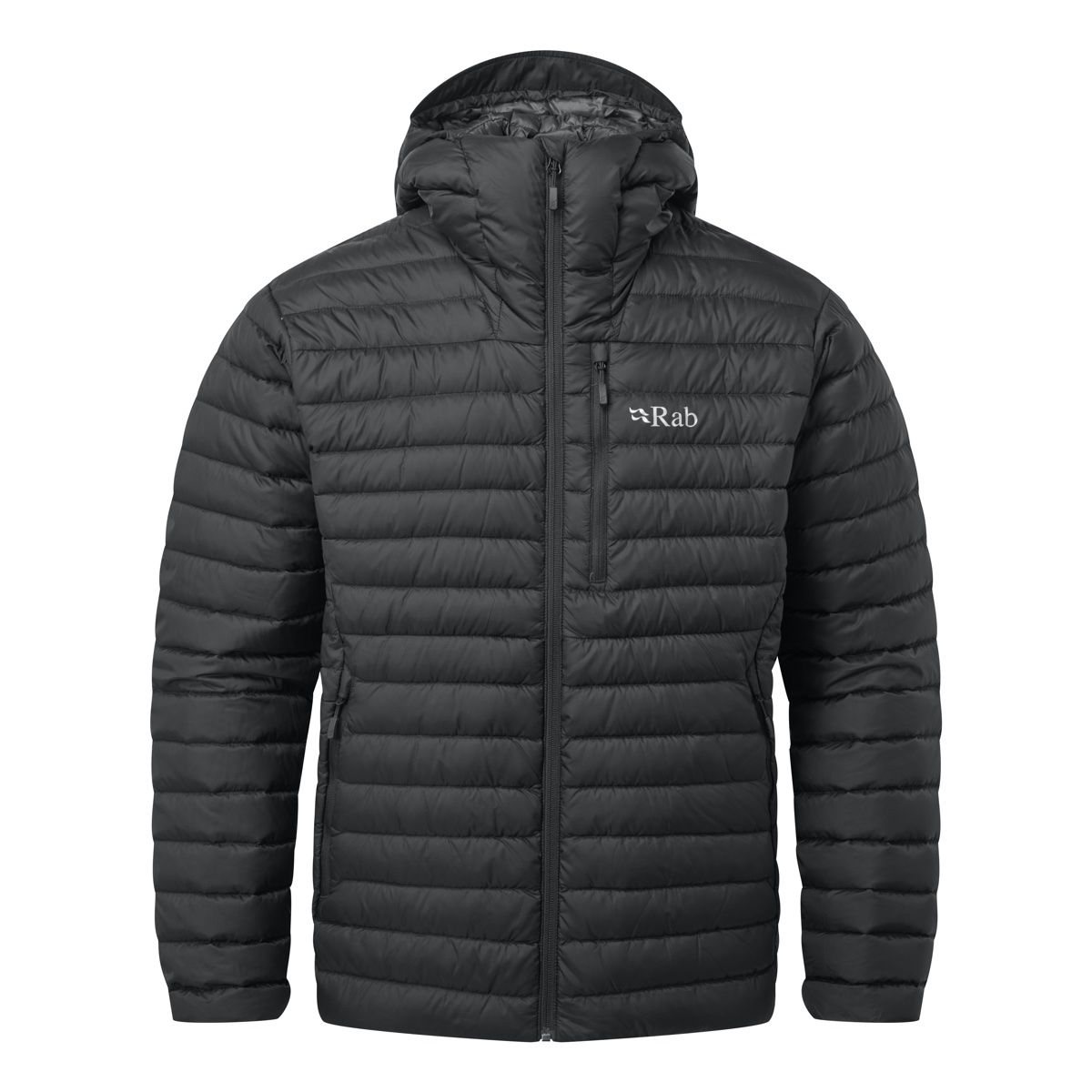
Rab Microlight Alpine Insulated Men's Jacket
The Microlight Alpine uses 700-fill-power recycled hydrophobic down. It is a useful example of why down remains popular when warmth, low weight and packability all matter.
View the Rab Microlight Alpine
Rab Cirrus Alpine Insulated Men's Jacket
The Cirrus Alpine uses PrimaLoft Silver RISE synthetic insulation, giving a useful point of comparison for customers who want dependable insulation in more changeable conditions.
View the Rab Cirrus AlpineDown or synthetic: which should you choose?
The best choice comes down to how you expect to use the jacket rather than which insulation sounds more technical.
Choose down if...
- You want excellent warmth for as little weight as possible.
- Packability is important.
- You expect mainly cold, relatively dry conditions.
- You want a warm layer for travel, rest stops or everyday winter use without unnecessary bulk.
Choose synthetic if...
- You expect regular damp or changeable conditions.
- You want insulation that generally dries more quickly.
- You will use the jacket for active outdoor pursuits.
- You value practical, comparatively straightforward care and moisture tolerance.
For many customers, either type will work. The important thing is identifying which compromise suits your own use. A highly packable down jacket is not automatically better for someone spending hours outside in persistent damp conditions, just as a synthetic jacket is not automatically the better option when every gram and litre of pack space matters.
Frequently asked questions
Is down warmer than synthetic insulation?
Down generally provides an excellent warmth-to-weight ratio, so it can achieve substantial insulation without much weight or bulk. The warmth of a finished jacket still depends on how much insulation is used and how the garment is constructed.
Does higher fill power mean a warmer jacket?
Not necessarily. Higher fill power indicates greater loft for a given weight of down. A jacket's overall warmth also depends on the amount of down used, its distribution and the rest of the garment's construction.
Is synthetic insulation waterproof?
No. Synthetic insulation's ability to retain more useful warmth when damp does not make the jacket waterproof. Waterproof performance depends on the outer fabric, membrane, seams and construction of the individual garment.
Is down useless when wet?
Down performs poorly when saturated because the clusters lose loft and trap less air. Hydrophobic treatments can improve moisture resistance, but down still needs to be protected and properly dried if it becomes wet.
Which insulation is best for British weather?
There is no universal answer. Synthetic insulation can be particularly practical in damp and unpredictable conditions, while down remains an excellent choice where you want high warmth with minimal weight and bulk. Your activity and expected exposure to rain matter more than the country you are in.
Which lasts longer: down or synthetic?
Both can provide long service when cared for correctly. High-quality down can retain its loft extremely well over time, while synthetic insulation is often resilient in regular active use. Storage, washing, compression and general garment care all affect longevity.
The better insulation depends on the job
Choose the jacket that suits the conditions you actually expect to encounter. Down is difficult to beat for warmth-to-weight and packability, while synthetic insulation offers useful advantages in damp, active and changeable conditions.
Explore insulated jackets