The Story of Barbour: From Farmers and Fisherman to an iconic fashion brand.
From oilskins made for sailors on the North East coast to waxed jackets worn around the world, Barbour's history helps explain why the brand still feels different from many modern clothing labels. Founded in South Shields in 1894, J Barbour & Sons remains a fifth-generation family-owned business, with some of its most famous waxed jackets still made by hand in the town where the story began.
How Did Barbour Become a British Clothing Icon?
Barbour began by making practical weather protection for sailors, fishermen and mariners facing the North Sea. Over the following decades, the company expanded through mail order, motorcycling clothing, military garments and countrywear. The introduction of jackets such as the Bedale and Beaufort in the 1980s helped establish the Barbour look recognised today: functional waxed cotton, practical details and understated British styling designed to work in both town and country.
1894: Barbour Begins in South Shields
The Barbour story began in 1894 when Scotsman John Barbour established his business in the Market Place in South Shields, in the North East of England.
The original customers were very different from many of the people who wear Barbour today. South Shields was a busy coastal and maritime community, and John Barbour supplied oilskins and other hard-wearing garments intended to protect sailors, fishermen and mariners from difficult British weather.
That practical starting point is important because functionality was not something added to Barbour later as a marketing idea. Protection from the elements was the reason the business existed in the first place.
1908: The Barbour Catalogue Takes the Brand Overseas
Barbour's reach expanded significantly under the second generation of the family. In 1908, Malcolm Barbour produced the company's first mail-order catalogue.
The catalogue transformed what had been a North East business into one with an international customer base. By 1917, mail order accounted for almost three quarters of Barbour's business, with orders arriving from destinations including Chile, South Africa, Hong Kong and the Falkland Islands.
Long before online shopping, Barbour had discovered a way to sell its practical British clothing well beyond the people who could visit the shop in South Shields.
1936: Barbour International and the Motorcycling Years
One of the most important chapters in Barbour's history began in 1936. Duncan Barbour, the third generation of the family and a keen motorcyclist, introduced a one-piece motorcycling suit named after the International Six Day Trials.
The Barbour International quickly became closely associated with competitive motorcycling. Barbour International suits were worn by British international motorcycle teams for decades, building an identity that was tougher and more sporting than the countrywear image many customers now associate with the main Barbour brand.
The motorcycling connection produced one of the best-known moments in Barbour history in 1964, when actor and racer Steve McQueen and the United States team wore Barbour Internationals while competing in the International Six Day Trials in East Germany.
1940: The Ursula Suit and the Second World War
Barbour's experience making protective clothing also proved valuable during the Second World War.
In 1940, at the request of Captain George Philips, commander of the submarine HMS Ursula, Barbour developed a two-piece version of its International suit. Designed to provide warmth and weather protection in demanding conditions, the resulting Ursula suit became standard issue for the Submarine Service.
The episode is a useful reminder of how closely Barbour's history is tied to garments designed for a purpose. Long before wax jackets became lifestyle clothing, the company was applying its knowledge of protective outerwear in environments where performance genuinely mattered.
1968–1973: Dame Margaret Barbour Takes the Helm
A defining moment in the modern history of the company came in 1968 when John Barbour, the fourth generation of the family, died suddenly. He left behind his wife Margaret and their young daughter Helen.
Margaret Barbour joined the Board of Directors and became Chairman in 1973. Under her leadership, the business increasingly developed the countrywear identity that would make Barbour internationally recognisable.
Her influence extends far beyond the management of the company. Dame Margaret was directly responsible for designing some of the jackets that now define Barbour.
The 1980s: The Jackets That Defined Modern Barbour
The 1980s were particularly important for Barbour. This was the decade in which the Bedale, Border and Beaufort established the template for the traditional waxed jackets that remain central to the brand.
The Barbour Bedale – 1980
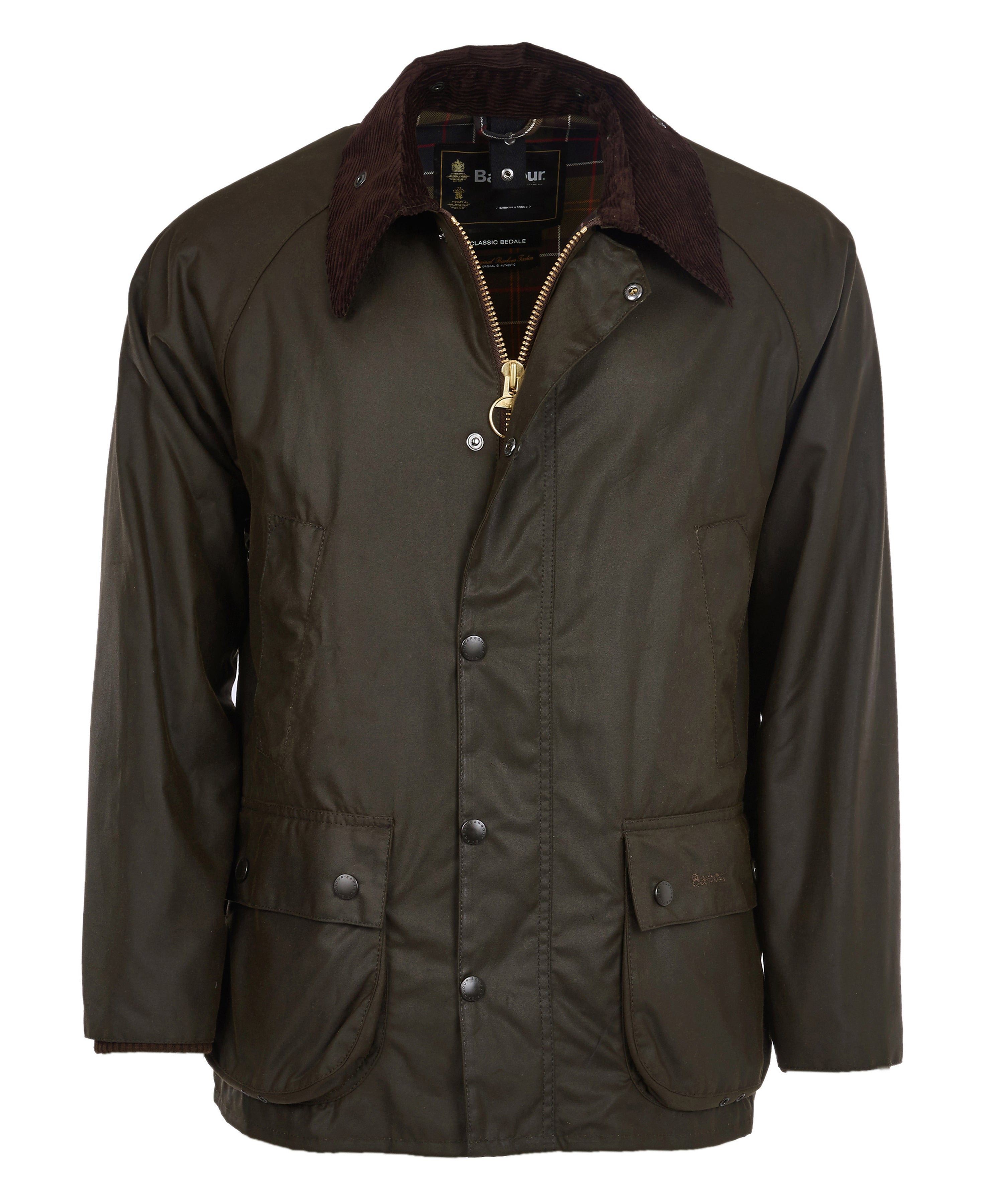
Designed by Margaret Barbour and introduced in 1980, the Bedale was originally created for equestrian use. Its relatively short length made it practical when riding, while generous proportions allowed freedom of movement and layering.
Those same qualities help explain why the Barbour Bedale Waxed Jacket has moved so successfully beyond its original purpose. It remains a practical country jacket but also works naturally as everyday outerwear.
The Move to Simonside – 1981
In 1981, Barbour moved into a new factory at Simonside in South Shields. The company's headquarters remain there today.
The site is more than an administrative base. Barbour continues to manufacture its iconic Bedale and Beaufort wax jackets by hand at Simonside, while its customer-service teams also carry out re-waxing, repairs and Re-Loved work there.
The Barbour Beaufort – 1983
The Beaufort followed in 1983. Also designed by Margaret Barbour, it was originally conceived for country pursuits and drew inspiration from French shooting jackets.
Longer than the Bedale and equipped with its distinctive full-width rear pocket, the Beaufort became one of the defining Barbour designs of the decade. Today, the Barbour Classic Beaufort remains one of the clearest expressions of traditional Barbour wax-jacket styling.
The Barbour Border
The longer Border was also designed during the early 1980s. Its generous cut, longer body and extended sleeves made it particularly useful for taller wearers and for layering over smarter clothing.
Together, the Bedale, Beaufort and Border helped turn Barbour from a specialist countrywear company into a name recognised far beyond its original rural audience.
Royal Warrants and Growing Recognition
Barbour received its first Royal Warrant in 1974 from HRH The Duke of Edinburgh. A second followed from HM The Queen in 1982, and a third from HRH The Prince of Wales in 1987.
In May 2024, Barbour was granted a Royal Warrant of Appointment to HM The King as manufacturers of outerwear, clothing, footwear and accessories.
Royal Warrants form only one part of the company's history, but they reflect Barbour's long association with British country life and its reputation for functional outerwear.
The Barbour Foundation and Dame Margaret Barbour
Dame Margaret Barbour established The Barbour Trust in 1988. Now known as The Barbour Foundation, it supports charities and good causes, particularly in the North East of England, as well as research into chronic illness.
Dame Margaret was appointed a Commander of the Order of the British Empire in 1991 for services to industry and became a Dame Commander in the 2001 New Year Honours.
The Foundation has since donated millions of pounds to community and charitable causes, maintaining a strong connection between the company and the region where Barbour was founded.
1998: Barbour Creates Its Own Tartan
Another familiar part of the modern Barbour identity arrived in 1998 when Margaret and Helen Barbour worked with tartan specialists Kinloch Anderson to introduce the company's first exclusive tartan.
Barbour Classic Tartan was based on the Ayrshire District tartan sett, reflecting the Scottish origins of the Barbour family. Its greens, blues and earthy tones have since become closely associated with Barbour linings and accessories.
From Countrywear to a Modern Lifestyle Brand
Barbour has gradually expanded far beyond wax jackets. Its collections now include quilted outerwear, knitwear, shirts, dresses, footwear, bags and accessories for men, women and children, as well as products for dogs.
At the same time, the company has continued to protect the elements that make its heritage meaningful. The headquarters remain in South Shields, the business remains family owned, and some of its most important jackets are still manufactured by hand in the North East.
The company has also developed services intended to extend the useful life of its products. Barbour Re-Loved was introduced in 2019, followed by the wider Wax for Life programme in 2020, bringing together services such as re-waxing, repairs and jacket restoration.
This combination of old and new is central to Barbour today. The brand can produce contemporary collections and collaborations while still supporting customers who have owned the same wax jacket for many years.
Barbour Today
More than 130 years after John Barbour opened his business in South Shields, J Barbour & Sons remains a fifth-generation family-owned company based in the North East of England.
Barbour is now sold in more than 55 countries across the UK, Europe, the United States, Asia and other international markets. Yet the connection to South Shields remains unusually strong for a brand with such global recognition.
The Simonside headquarters is still home to Barbour's factory, where the Bedale and Beaufort continue to be made by hand and where waxed jackets return to be re-waxed, repaired and given another lease of life.
Why Barbour's History Still Matters
For us at Allweathers, the most interesting part of the Barbour story is not simply its age. Plenty of companies have long histories. What makes Barbour different is how much of that history is still visible in the products customers buy today.
A modern Bedale still reflects the shorter riding jacket introduced in 1980. The Beaufort still carries the practical design language of a country jacket first launched in 1983. Waxed cotton still changes with wear and can still be re-waxed and repaired rather than simply discarded when it begins to show its age.
That continuity is a large part of why Barbour's heritage feels relevant rather than decorative.
Barbour History at a Glance
For a quick overview, these are some of the milestones that most clearly shaped the Barbour brand we know today.
Barbour is founded
John Barbour establishes the business in South Shields, supplying practical weather protection for the maritime community.
The first mail-order catalogue
Barbour begins reaching customers far beyond the North East and develops an international following.
Barbour International
Duncan Barbour introduces the motorcycling suit that establishes one of the company's most enduring design traditions.
The Ursula suit
Barbour adapts its protective clothing expertise for the Royal Navy Submarine Service during the Second World War.
Margaret Barbour becomes Chairman
Her leadership shapes the countrywear direction and iconic products that define modern Barbour.
The Bedale is introduced
The shorter equestrian-inspired wax jacket becomes one of Barbour's defining designs.
The Beaufort follows
The longer country jacket becomes another enduring Barbour classic.
Barbour Re-Loved launches
The programme gives selected older Barbour jackets the opportunity to be restored and worn again.
Frequently Asked Questions About Barbour
When was Barbour founded?
J Barbour & Sons was founded in 1894 when John Barbour established his business in South Shields in the North East of England.
Where is Barbour based?
Barbour remains based in South Shields. Its headquarters and factory are located at Simonside, maintaining the company's connection with the town where the business began.
Is Barbour still family owned?
Yes. Barbour remains a fifth-generation family-owned business more than 130 years after John Barbour founded the company.
Why is Barbour famous?
Barbour is particularly famous for its waxed-cotton outerwear and British countrywear heritage. Jackets such as the Bedale and Beaufort helped establish the traditional Barbour look, while the company's earlier history includes maritime clothing, motorcycling garments and military outerwear.
Are Barbour jackets still made in England?
Some are. Barbour states that its iconic Bedale and Beaufort wax jackets continue to be manufactured by hand at its Simonside factory in South Shields. Other Barbour products are sourced and manufactured internationally.
What is Barbour International?
Barbour International traces its origins to the motorcycling suit introduced by Duncan Barbour in 1936. Its distinctive motorcycle-inspired design language later developed into a stand-alone brand.
Why is Barbour associated with British countrywear?
Barbour's countrywear identity developed from its long history of making practical weather-resistant clothing for outdoor use. Under Dame Margaret Barbour, the company strengthened that direction through jackets such as the Bedale, Beaufort and Border, which became closely associated with riding, shooting and British country life.
From South Shields to the Modern Barbour
Barbour has changed enormously since 1894, but the thread running through its history is surprisingly consistent. The company began by making practical garments for people working in demanding weather, developed specialist clothing for motorcycling and military use, and later translated that functional approach into the country jackets that became British classics.
Today, Barbour may be worn in very different settings from those John Barbour originally served, but designs such as the Bedale and Beaufort still demonstrate why the brand has endured: useful details, distinctive materials and a willingness to make products that can be worn, maintained and kept for years.
Discover our current selection of Barbour waxed jackets, quilted outerwear, clothing, footwear and accessories.
Explore classic Barbour waxed styles including the Bedale, Beaufort and modern designs inspired by more than a century of practical outerwear.

Written by Darren Phillips